The Jet That Was Built from a Forest
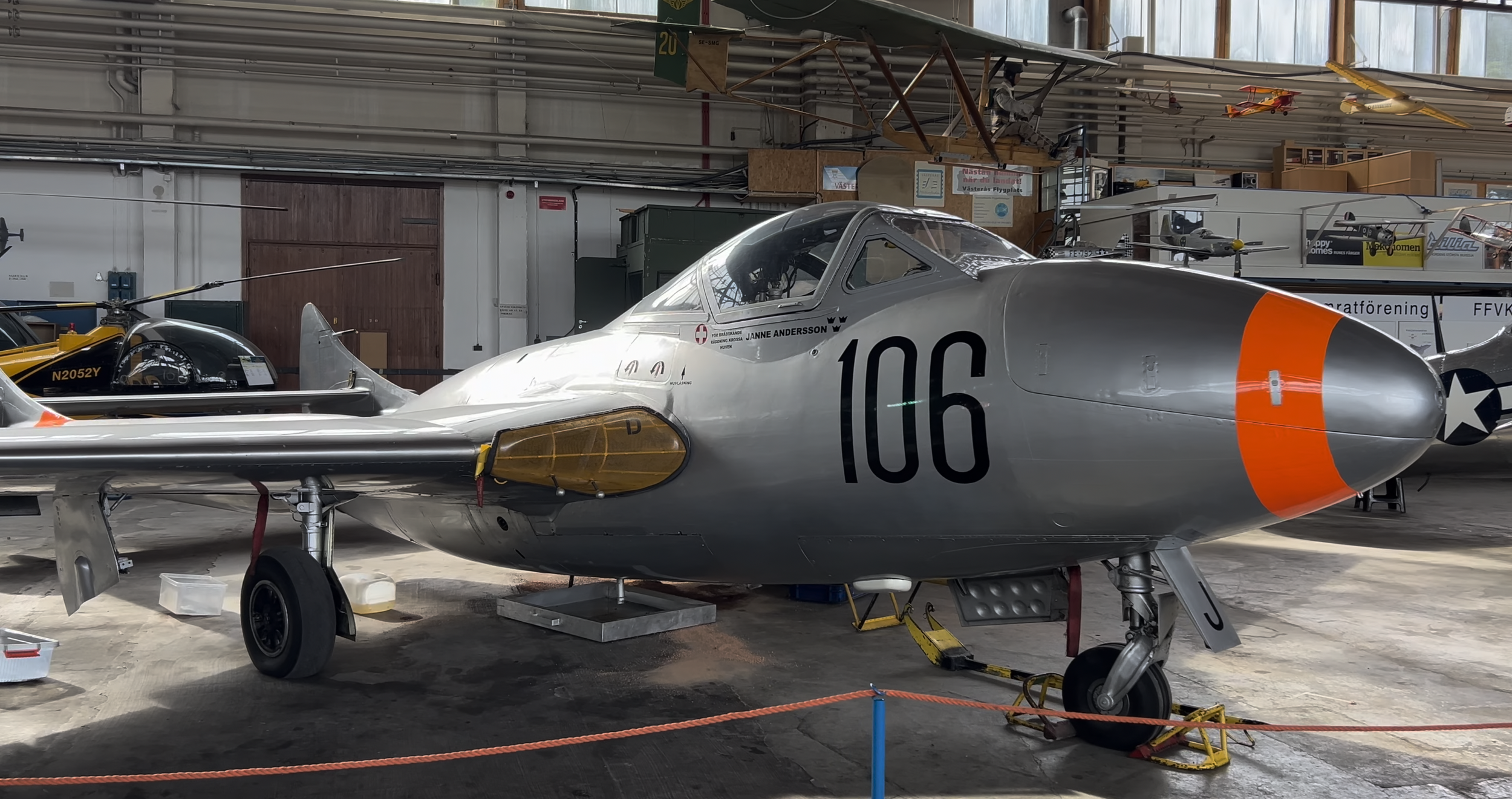
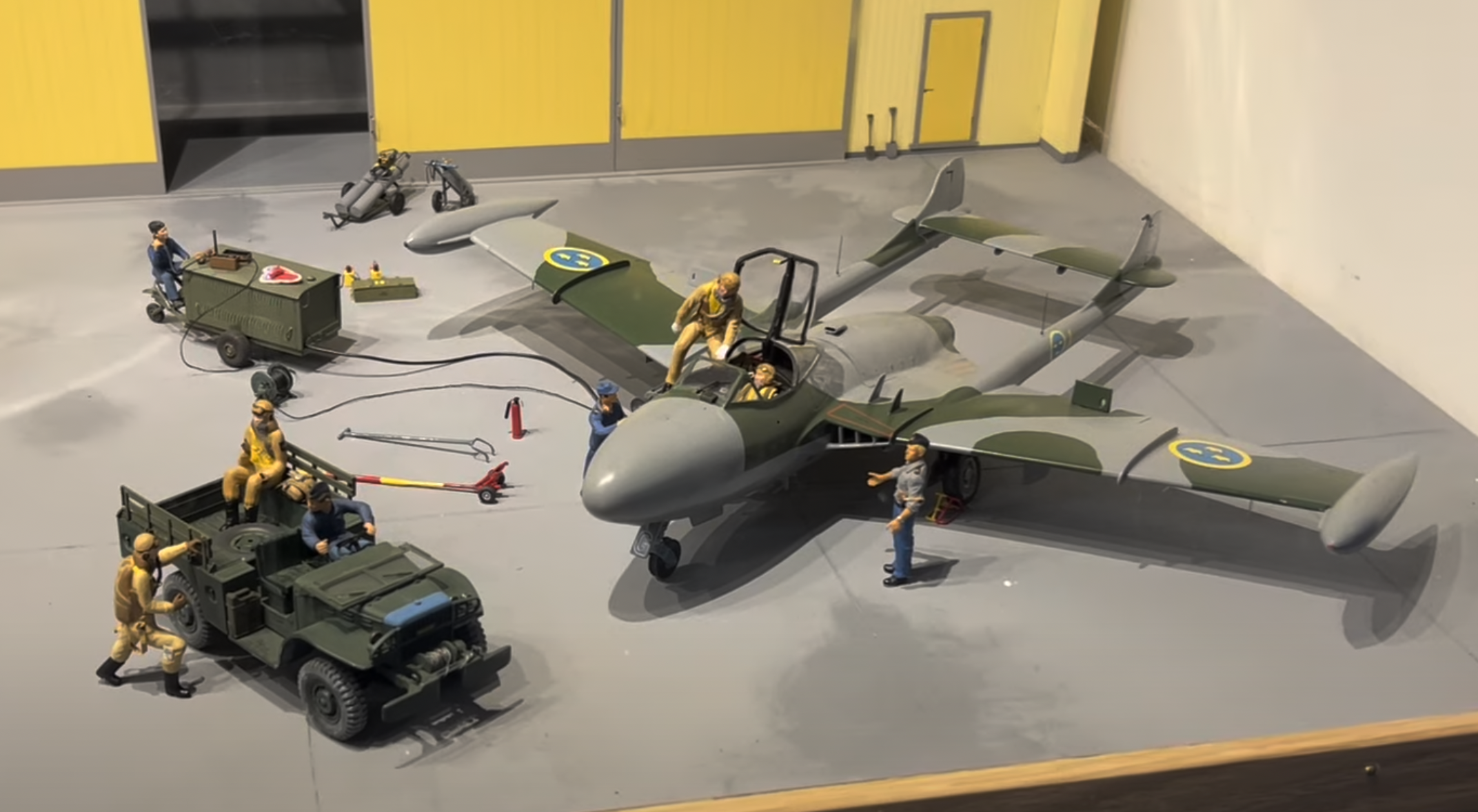
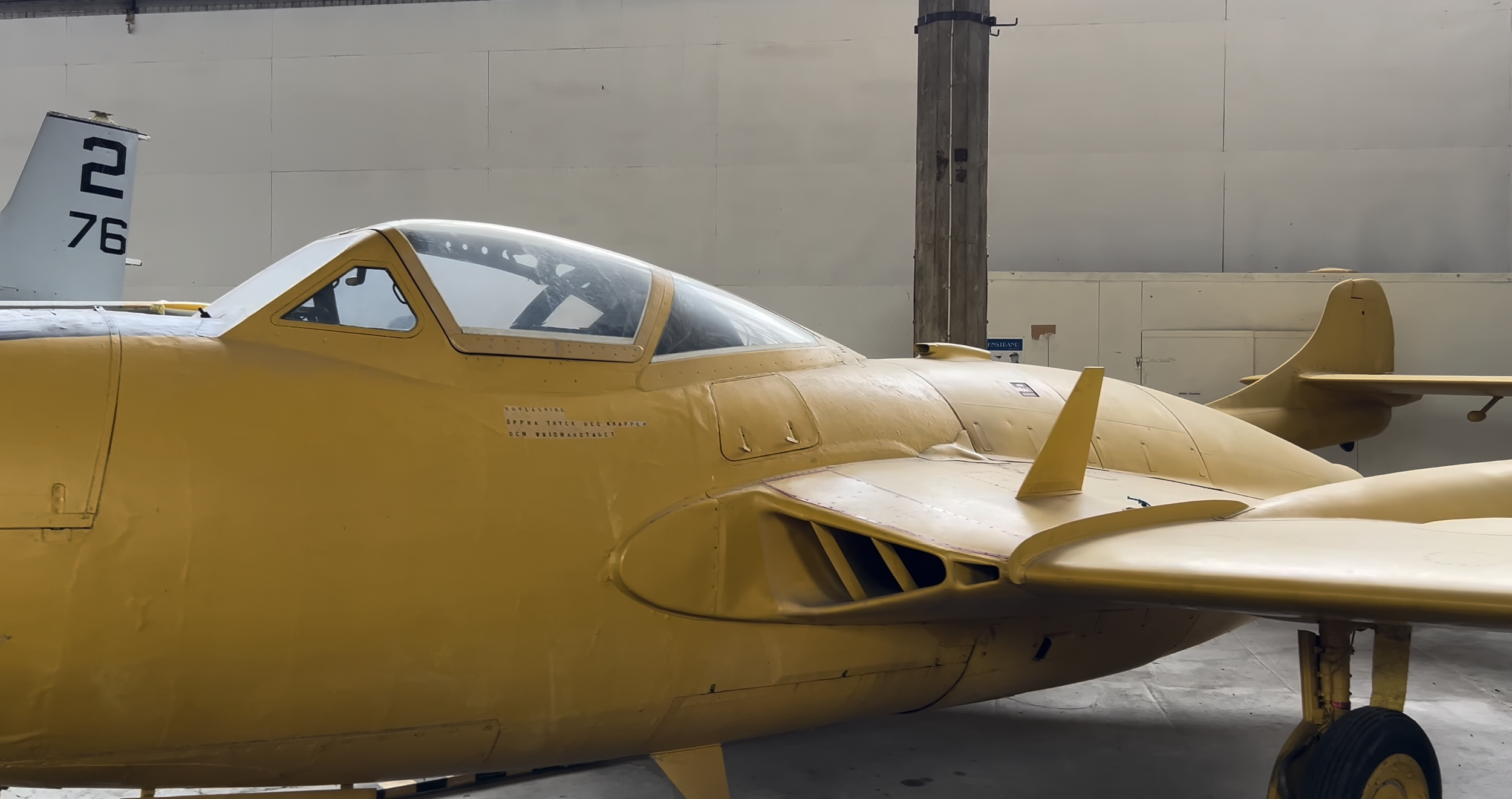
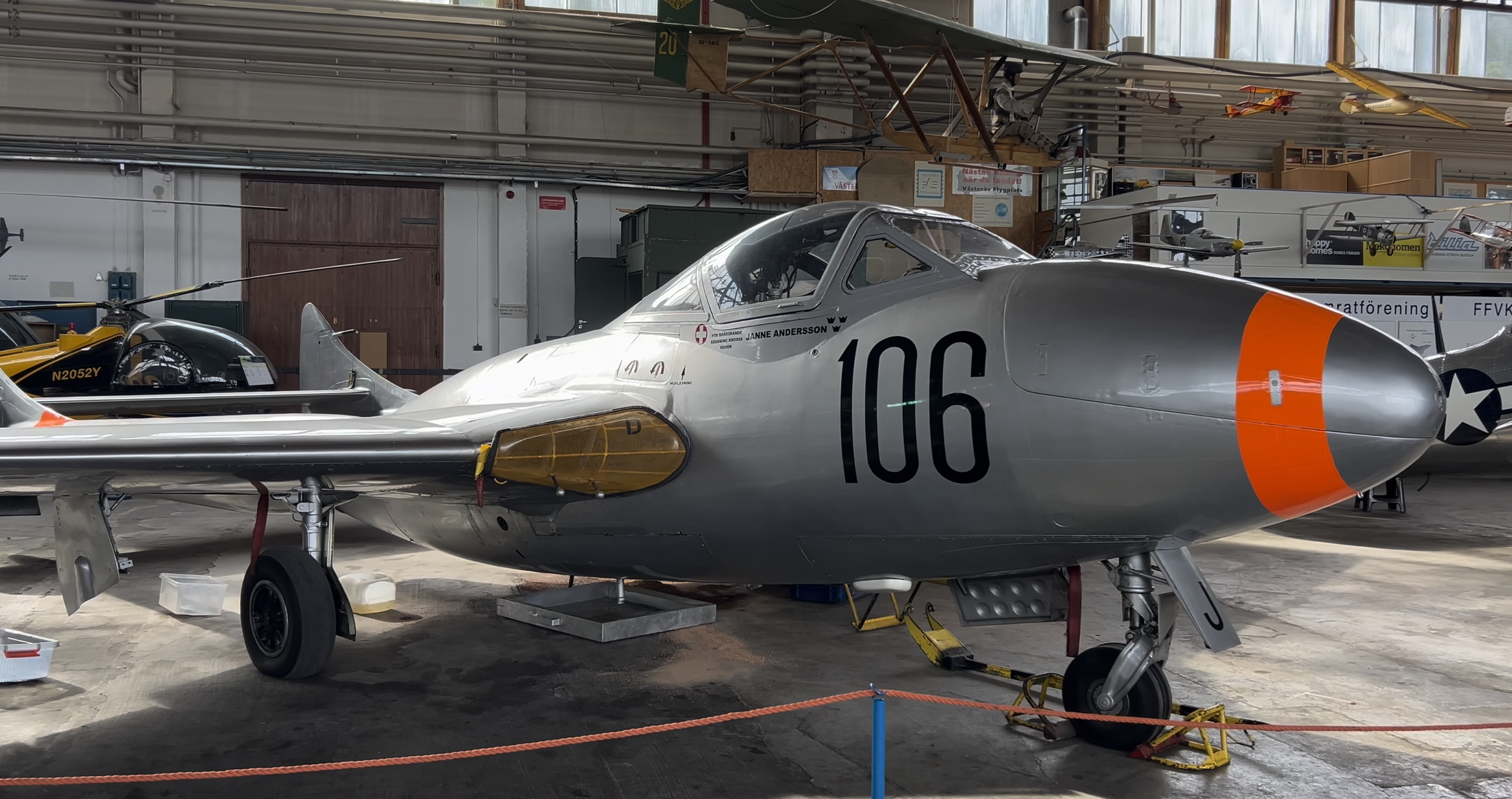
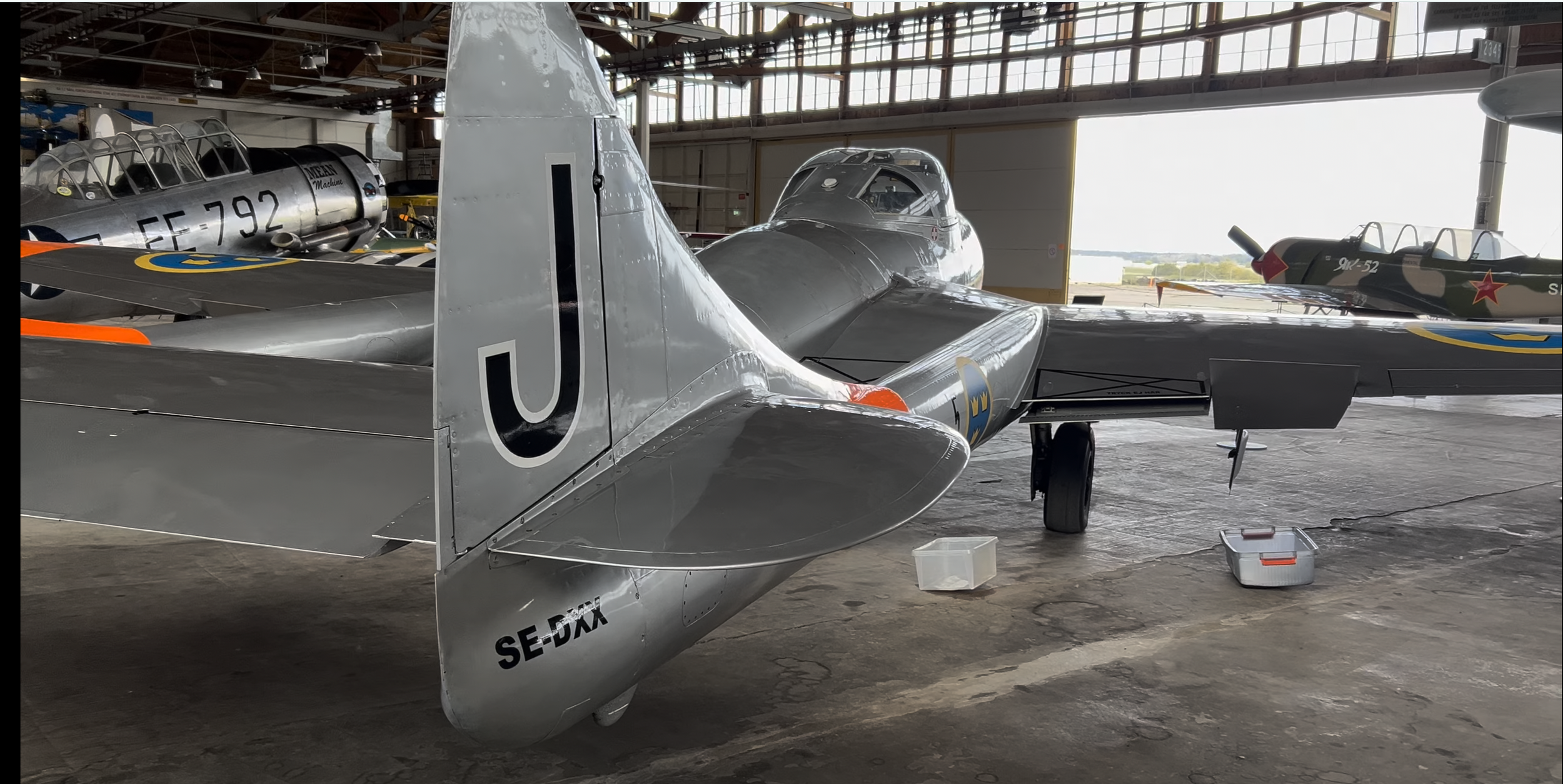
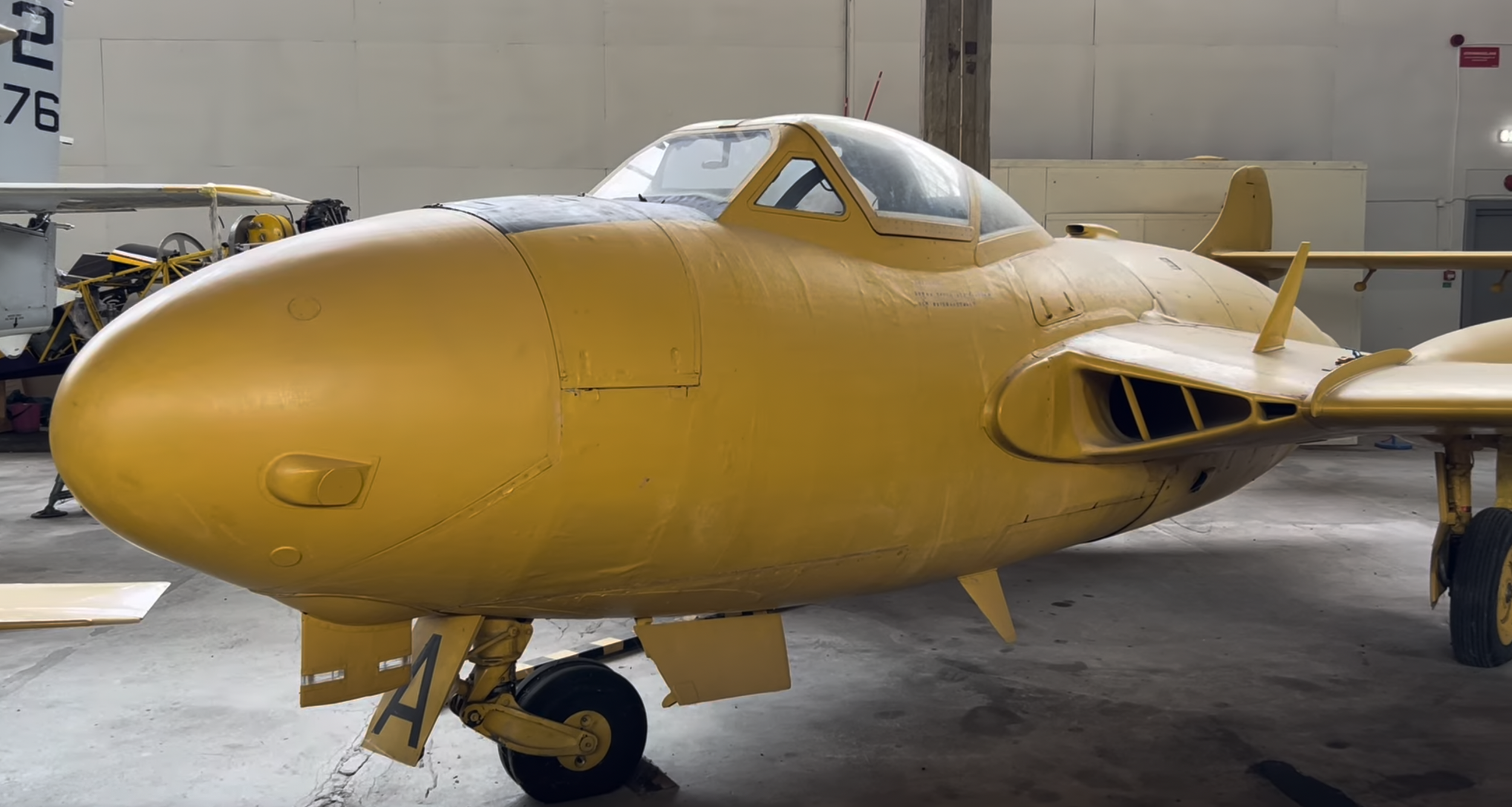
Meet the de Havilland Vampire — Britain's oddest, most loveable, record-breaking jet fighter
Imagine you're an engineer in wartime Britain, 1941. Your country is fighting for survival. Steel is precious — rationed, tracked, desperately needed for tanks and warships. And your boss has just asked you to build a jet fighter. The future of air combat. The fastest, most advanced machine your nation has ever attempted.
So what do you build it from?
Wood. Obviously.
The Spider Crab Is Born
That was the brilliant, slightly mad logic behind the de Havilland DH.100 — a jet aircraft whose fuselage was constructed almost entirely from moulded plywood. And not just any plywood: the same layered, glued, precision-shaped wooden composite that de Havilland had already used to build the legendary Mosquito bomber — a plane so fast the Germans initially didn't believe it existed.
The new jet didn't even have a cool name at first. Engineers called it the Spider Crab, which tells you everything you need to know about how it looked. It was only later renamed the Vampire, which is considerably more intimidating and exactly right for a machine that would go on to bite quite a few aviation records in half.
The concept was simple and clever: de Havilland had a brand new jet engine — their own Goblin, designed in-house — but jet engines of that era had a problem. They needed a long exhaust pipe to push the hot gases out the back, and every extra metre of that pipe wasted precious thrust. So instead of a traditional long fuselage, the designers gave the Vampire a short, fat, egg-shaped central pod just big enough for the engine, the pilot, and not much else. Then they attached twin tail booms — two long metal arms — to carry the tail surfaces behind the engine, keeping the exhaust pipe as short as physically possible.
The result looked like nothing that had ever flown before. And it worked beautifully.
Wood Meets the Jet Age
Here's the part that still makes aviation enthusiasts do a double-take: the Vampire's central pod — the heart of the aircraft, the part containing the pilot and the engine — was built from balsa wood sandwiched between sheets of birch plywood. Glued. Shaped by hand. The same basic technology used to make furniture.
This was not a compromise. It was a feature.
De Havilland decided to use plywood because it was a non-essential war material — it didn't compete with the steel and aluminium desperately needed elsewhere. And the company was extraordinarily good at it. Their craftsmen could shape wooden fuselages to extremely tight tolerances, producing a structure that was lightweight, strong, and — unlike metal — didn't require a factory full of specialised metalworking equipment to produce.
It was the last time composite wood-and-metal construction was ever used in a high-performance military aircraft. The Vampire quite literally flew into the jet age carrying the craftsmanship of the propeller era inside it. One foot in the workshop, one foot in the future.
The Firsts Start Stacking Up
Geoffrey de Havilland Jr. — chief test pilot and son of the company's founder — piloted the first flight on 20 September 1943 from Hatfield aerodrome. The war was still raging. Jets were still science fiction to most people. And here was this wooden egg with twin tail booms climbing into the English sky on nothing but a shrieking centrifugal jet engine and a great deal of audacity.
What followed was a string of "firsts" that reads like someone was showing off:
It became the first RAF fighter with a top speed of over 500 mph.
It was the first jet aircraft to take off from and land on an aircraft carrier — proving that jets could operate from ships, which was far from obvious at the time.
In 1948, pilot John Cunningham took a Vampire to 59,446 feet — a new world altitude record. Nearly 18 kilometres above the Earth. In a plywood cockpit.
On 14 July 1948, Vampire F.3s of RAF No. 54 Squadron became the first jet aircraft to fly across the Atlantic Ocean.
Nearly 3,300 Vampires were built, serving with air forces across the world — from Britain to Australia, from Switzerland to India. Almost a quarter of them were built under licence in other countries. Not bad for a Spider Crab.
Why It Still Matters
The Vampire never got to fight in World War Two — it arrived just too late, entering RAF service in 1946 after the guns had fallen silent. But in many ways, that's not the point.
What the Vampire represents is something rarer than combat glory: it's the story of engineers solving an impossible problem with imagination instead of brute force. When they didn't have the right materials, they used the ones they had — and built them better than anyone thought possible. When the physics of jet exhaust threatened to ruin the design, they simply moved the tail. When the world said "jets are for metal aircraft," de Havilland quietly built one out of a forest and set an altitude record in it.
That particular combination of audacity, elegance, and cheerful rule-breaking is exactly why the Vampire looks the way it does. There has never been another aircraft quite like it, before or since.
Which makes it, frankly, a perfect subject for an artwork.
Valentyn Kryvorot is a Ukrainian aviation artist whose hand-drawn aircraft illustrations are available as prints, posters, and custom merch. Browse the collection at valentynkryvorot.com
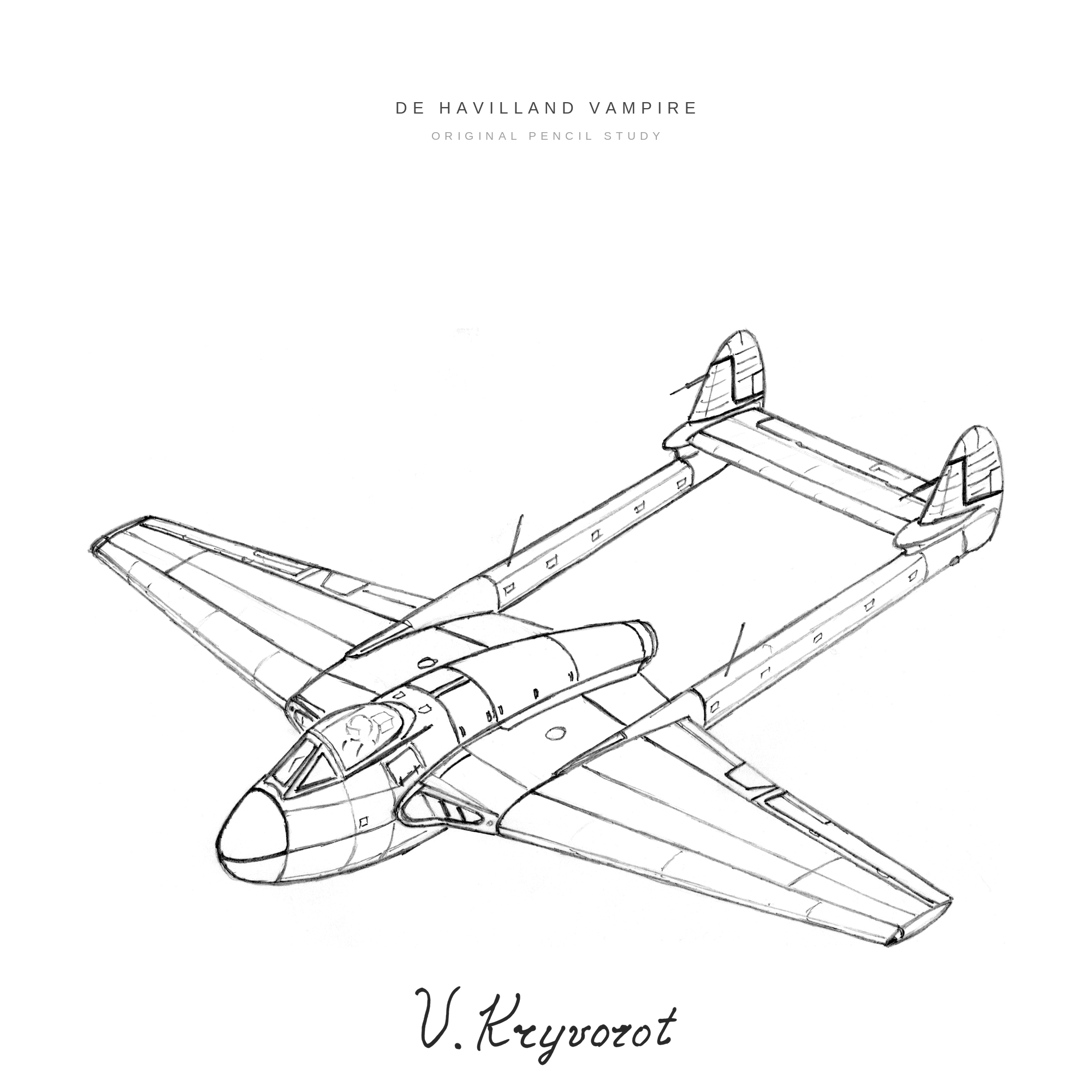
An original pencil study of the de Havilland Vampire, drawn by hand and prepared for print.
You receive three files:
A4 (297×210 mm), US Letter (11×8.5 in) and a 3840×2160 wallpaper — plus a short guide on paper and framing.
Each file is prepared at 300 dpi for its stated size.
Instant download after purchase. Licensed for personal use.
Part of a small, growing collection.
Your download link is valid for 24 hours after first use — please save the files to your device.